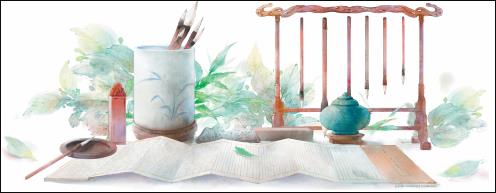
Four Treasures of the Study
Introduction
The "Four Treasures of the Study" refers to the essential tools traditionally used by Chinese scholars in the practice of calligraphy and painting. These treasures, namely the brush, ink, paper, and Inkstone, hold significant cultural and artistic value in Chinese history. Often found in the study of scholars, these items not only facilitated the art of writing and painting but also symbolized the cultural and intellectual pursuits of the Chinese literati. Each treasure has its own distinctive history and unique characteristics, contributing to the rich tapestry of Chinese art and scholarly tradition.
History
The concept of the Four Treasures of the Study has been an integral part of Chinese culture for centuries, rooted deeply in the practices of the literati. These tools were not merely functional; they served as conduits for cultural heritage, artistic expression, and intellectual cultivation. The use of these treasures can be traced back to ancient times, with each element evolving over the dynastic periods. For instance, the use of ink and Inkstone dates back to the Han Dynasty (206 BC-AD 220), whereas the refinement of paper and brushes developed significantly during the Tang (618-907) and Song (960-1279) dynasties. Over time, these treasures have been refined, with craftsmanship and materials chosen for their ability to enhance the artistic process, thus preserving their place in Chinese cultural history.
The evolution of the Four Treasures reflects the rich history of Chinese craftsmanship and innovation. The brush has seen advancements in design and materials, allowing for greater precision and expression in writing. Chinese ink, available in varieties like pine soot and oil soot, has been refined to achieve a deep black hue and glossy finish, ideal for both calligraphy and painting. Xuan paper, known for its durability and texture, has been produced using traditional methods for over 1,500 years. The Inkstone, crafted from materials like slate or soapstone, serves as a durable platform for grinding ink sticks. Collectively, these tools have evolved to meet the artistic needs of Chinese literati throughout history.
The Four Treasures
Brush
The Chinese writing brush is a defining tool in the creation of calligraphy and traditional painting. Its design typically comprises a soft brush head attached to a hard handle, allowing for the expression of both bold and delicate strokes. Brushes are crafted from various animal hairs, such as goat, hare, and weasel, chosen for their ability to absorb ink and produce fine lines. The craftsmanship involved in making a brush is meticulous, involving numerous steps to ensure the perfect balance and flexibility. The brushes from Huzhou, for example, are renowned for their quality and are crafted through a detailed process involving over 120 steps. Such brushes are esteemed for their ability to convey complex ideas with simplicity and elegance, revealing everything from the natural world to abstract concepts through the art of writing and painting.
Ink
Chinese ink, an essential component of calligraphy and traditional painting, is known for its deep, rich black hue and its ability to be manipulated into various shades and textures. The ink comes in two primary forms: pine soot ink and oil soot ink. Pine soot ink is known for its subtle sheen and is favored for calligraphy due to its lightweight texture. Oil soot ink, often made from plant or animal oils, has a glossy finish and is more suited for painting. The production of ink is a guarded craft, with artisans using a variety of raw materials, including tung oil, vegetable oil, and pine wood, often combined with secret ingredients such as egg whites and medicinal herbs, to create inks that have been perfected over centuries. Huizhou, located in Anhui province, is known for its high-quality Hui ink, which has been a benchmark of excellence since the 12th century. Ink sticks, when ground on an Inkstone, yield a rich black ink used for writing and painting, making ink an essential part of the Four Treasures.
Paper
Xuan paper, or rice paper, is often referred to as the "king of paper" due to its unique qualities of strength, smoothness, and longevity. It originates from Jingxian County in Anhui province and is known for its ability to absorb water and ink, making it ideal for calligraphy and painting. The production of Xuan paper involves a labor-intensive process of over 100 manual steps, a craft that has been passed down through generations. The durability and high quality of Xuan paper have allowed for the preservation of countless Chinese documents and artworks through the ages, solidifying its importance in Chinese scholarly activities and artistic endeavors.
Inkstone
The Inkstone is an essential tool for grinding ink sticks into a usable liquid form for writing and painting. Originating in the Han Dynasty, Inkstones are meticulously crafted from materials such as slate or soapstone, known for their durability and ability to preserve the ink's quality. Among the most distinguished are the She Inkstones from Anhui province, which are celebrated for their exquisite craftsmanship and intricate designs. These Inkstones are not only practical tools but also works of art in their own right, often incorporating elements of other artistic disciplines such as poetry and sculpture, making them highly valued by scholars and collectors alike.
Preservation and Promotion
In modern times, preserving and promoting the Four Treasures of the Study has become a key cultural focus. Initiatives have been launched to protect the traditional craftsmanship linked to these treasures, like including traditional ink, paper, and Inkstone techniques in the national intangible cultural heritage list. Educating younger generations about these tools helps keep the legacy of the Four Treasures alive. Efforts are also underway to blend these traditional crafts into modern contexts, such as cultural tourism and creative industries, to ensure their relevance and appreciation by future generations. These efforts involve creating museums, cultural parks, and educational programs that honor and share the knowledge and skills tied to these cherished art forms, securing their enduring legacy in our cultural landscape.








